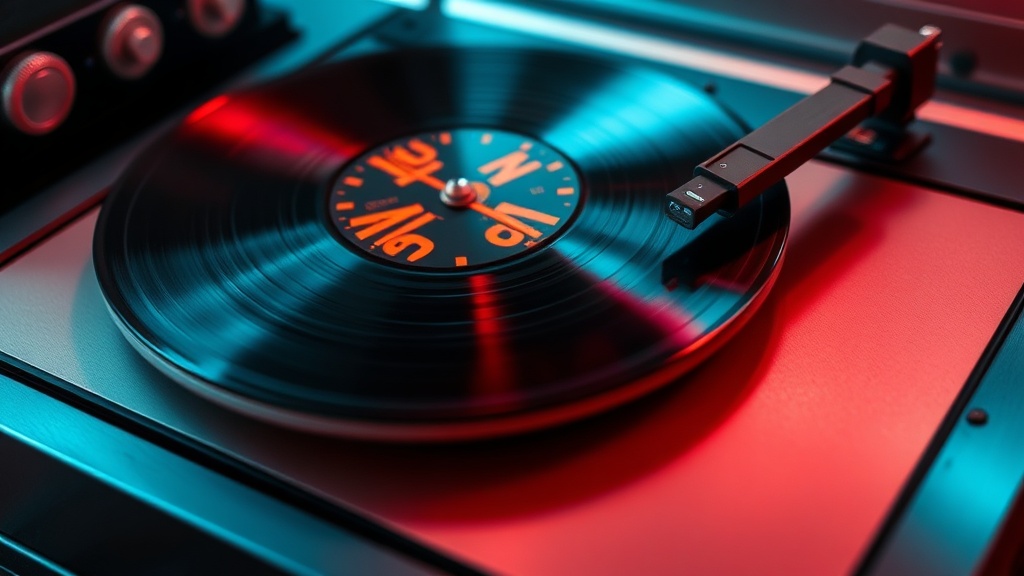
How to Clean and Store Rare Vinyl Records Properly

This post covers the complete process of cleaning and storing rare vinyl records — from pre-play wipe-downs to long-term archival storage — so your collection stays quiet, flat, and valuable for years. Whether you've just picked up a sealed original pressing or a well-loved thrift find, the right care routine makes an audible difference in sound quality and shelf life. Dirty grooves pop and crackle. Improper storage leads to warps, ring wear, and split seams. Even a single hot afternoon in a car trunk can render a mint record unplayable. The good news? A small investment in time and the right supplies protects both the music and the resale value.
What's the safest way to clean a vinyl record before playing it?
The safest method is a gentle wet clean using distilled water and a dedicated record cleaning solution, followed by a soft microfiber or carbon fiber brush dry-off. Tap water contains minerals and chlorine that can leave deposits in the grooves, so distilled or deionized water is the only safe choice for rinsing or diluting solutions. If you're mixing your own fluid, a drop of photographic wetting agent (such as Kodak Photo-Flo) in a gallon of distilled water helps the liquid sheet off the surface without beading.
For routine maintenance, a carbon fiber brush — like the Audio-Technica AT6012 or the Pro-Ject Brush It — removes surface dust before the needle drops. Here's the thing: dry brushing only handles loose particles. For fingerprints, oils, or factory residue, you'll need a wet clean. The Spin-Clean Record Washer MKII is a favorite among collectors in Kelowna and beyond because it bathes both sides at once without motor torque. You fill the basin with distilled water and a capful of solution, insert the record, and spin it by hand. The soft brushes scrub the grooves while the record rotates, and the built-in drying cloths finish the job. It's simple, effective, and won't break the bank.
For seriously grimy hauls, a vacuum-based machine such as the Pro-Ject VC-S2 ALU or the Record Doctor V pulls fluid out of the grooves instead of letting it air-dry. (Air-drying can leave water spots and invite mold.) Ultrasonic cleaners — like the Degritter — use high-frequency sound waves to agitate dirt from deep in the groove walls. These are popular among high-end collectors, though they come with a hefty price tag. That said, most collectors don't need a vacuum or ultrasonic machine for every record — just the rare finds that skip or sound noisy despite looking clean. When using any wet method, always brush along the grooves in a circular motion, never across them. Cross-rubbing can push debris deeper and scratch the vinyl.
The Library of Congress recommends keeping cleaning fluids away from labels, as moisture can loosen the adhesive and cause the label to bubble or detach. After cleaning, let the record rest on a clean rack for a minute before slipping it into a fresh inner sleeve.
How should rare vinyl records be stored to prevent warping and wear?
Store records vertically in cool, dry spaces inside high-quality inner and outer sleeves, and never stack them flat or lean them at an angle. Vertical storage is non-negotiable. When records lie horizontal, gravity presses the vinyl into the sleeve and the weight of the stack creates warp over time. Even leaning records at an angle — say, in a milk crate — can dish the edges. A shelf packed too tightly can also bow jackets and stress the vinyl inside.
The Right Way to File Records
File records like books. They should stand upright with enough neighbors to support each other, but not so many that pulling one out requires a wrestling match. If a shelf section is half-empty, use bookends or spare empty jackets to keep the row snug. For 7-inch singles and 10-inch EPs, store them in dedicated boxes or on smaller shelves. Mixing sizes on the same shelf leads to leaning and uneven pressure on the smaller discs.
The catch? Cheap paper sleeves grind dust into the grooves every time you slide a record in or out. Replace them with Mobile Fidelity Sound Lab (MoFi) inner sleeves or Diskeeper 2.0 antistatic sleeves. These are made from high-density polyethylene and won't shed paper fibers. They're also semi-transparent, which makes reading labels easier without removing the record. For outer protection, 3-mil polyethylene sleeves from Sleeve City or Bags Unlimited keep album covers safe from ring wear and shelf abrasion. If the cover has a gatefold or thick cardboard, consider 4-mil sleeves for extra rigidity.
When buying used, inspect the inner sleeve immediately. If it's gritty, torn, or printed on rough stock, swap it out before the record goes back into the jacket. A two-minute sleeve change can prevent years of groove abrasion. Many collectors keep a box of spare MoFi sleeves on the shelf for exactly this reason.
Worth noting: the original shrink wrap should come off. It traps moisture and can glue itself to the cover art over decades. (Leave it on a 1960s pressing and you might find the ink has transferred to the plastic.) The Discogs community widely agrees that removing shrink wrap — then storing in a proper outer sleeve — is the best practice for collectible records.
Shelving matters too. The IKEA KALLAX unit is a community staple because its 13-inch cubes fit twelve-inch LPs perfectly, with room for roughly 50 to 60 records per compartment. Solid wood shelves are preferable to particleboard in humid climates because they don't swell and sag. Keep the shelf away from radiators, windows, and vents. Ideal temperature sits between 65–70°F (18–21°C) with relative humidity around 35–45%. Basements and attics are usually too damp or too hot for long-term storage.
What causes vinyl records to degrade over time?
Heat, UV light, improper handling, and low-quality storage materials are the main culprits behind vinyl degradation. PVC — the plastic records are made from — is sensitive to temperature shifts. Above 140°F (60°C), vinyl begins to soften. But damage starts earlier than that. A sunlit shelf in a Kelowna loft can reach 100°F in July, and repeated cycles of warming and cooling stress the grooves. Cold isn't as destructive as heat, but rapid temperature swings cause the vinyl to expand and contract, which can lead to micro-cracks in the groove walls.
UV light also bleaches covers and can off-gas chemicals from cheap sleeves. Those thin PVC outer sleeves sold at some discount shops? They can create a chemical fog on the album cover over years — a condition collectors call "outgassing." Stick to polyethylene or polypropylene for all plastic sleeves. Static electricity is another quiet enemy. It pulls dust out of the air and locks it onto the playing surface. An antistatic gun like the Milty Zerostat dissipates static with a slow squeeze of the trigger. It's a simple tool that makes a noticeable difference in dry winter months.
Your hands are another source of trouble. Skin oils transfer easily and attract dust. Always handle records by the edges and the label area only. (Yes, the center label is fair game — just avoid the grooves.) If a record is particularly valuable, consider white cotton gloves. When removing a record from its sleeve, let the sleeve rest on a flat surface and slide the vinyl out gently. Don't yank it out while holding the cover in mid-air — that flexes the disc and risks corner dings.
Playback itself causes gradual wear — every pass of the stylus traces the groove wall. A worn or misaligned cartridge causes more damage than play itself. Use a properly set up turntable and replace styli per manufacturer guidelines — typically every 500–1,000 hours for most moving-magnet cartridges. The Ortofon 2M Red is a popular upgrade that tracks lightly and retrieves detail without digging in.
Can a warped vinyl record be fixed?
Minor warps can sometimes be flattened using gentle heat and pressure, but the process is risky and rarely returns a record to factory-flat condition. The safest approach is prevention. If you do encounter a slight warp, some collectors use a record flattener like the Furutech DF-2, which applies controlled heat in a vacuum environment. However, these machines cost thousands of dollars. DIY methods — ovens, sunlight, or weighted books — often create uneven pressure, introduce new warp patterns, or damage the grooves permanently.
That said, a slight edge warp doesn't always affect playback. If the tonearm tracks smoothly and there's no audible pitch wobble, many collectors simply store the disc properly and live with the imperfection. For rare pressings where replacement copies are scarce, leaving the warp alone is often smarter than gambling with heat. Here's the thing: a warped record stored vertically in a climate-controlled room won't get worse. A flat record stored badly will.
Do vinyl records need to be played on specific equipment to stay in good shape?
Yes — a properly calibrated turntable with the right tracking force, anti-skate, and stylus condition preserves grooves far better than a cheap suitcase player. Those all-in-one suitcase turntables you see at big-box stores look charming, but many apply excessive tracking force and lack adjustable tonearms. That means the stylus digs into the groove wall instead of floating through it. Over dozens of plays, you'll hear increased surface noise and eventually distortion. Some of those ceramic cartridges track at over 5 grams — more than double what a quality moving-magnet cartridge should apply.
If you're serious about preservation, invest in a deck with an adjustable counterweight and anti-skate. The Audio-Technica AT-LP120XUSB and the Fluance RT81 both offer these controls at under $400. Pair them with a quality phono preamp and you're set. Tracking force should match the cartridge manufacturer's spec — usually 1.5 to 2.5 grams for moving magnet carts. Vertical tracking angle (VTA) also matters, though it's less critical on standard pressings. Setup isn't scary. Most modern turntables include a setup gauge or printed instructions. If the counterweight isn't set right, the stylus will either skate across the surface or grind into the vinyl. A digital tracking force gauge — the Shure SFG-2 or a budget digital scale — removes the guesswork. The Vinyl Me, Please buyer's guide offers detailed recommendations for every budget.
Worth noting: playing a dirty record wears the stylus faster, and a worn stylus wears the record faster. It's a feedback loop you don't want. Clean before every play. Store right after every listen. And if you're buying used, inspect the stylus under a magnifier — a chipped or bent diamond will carve permanent damage into your rare vinyl with a single side.
Quick Comparison: Cleaning Methods
| Method | Best For | Cost Range | Risk Level |
|---|---|---|---|
| Carbon fiber brush | Daily dust removal before play | $15–$30 | Very low |
| Spin-Clean MKII | Routine wet cleaning of full collections | $80–$100 | Low |
| Pro-Ject VC-S2 ALU | Deep restoration of noisy or grimy records | $600–$700 | Low |
| DIY distilled water | Budget cleaning in small batches | Under $10 | Moderate (if technique is sloppy) |
Caring for rare vinyl isn't complicated — it's a handful of habits repeated consistently. Clean with the right tools. Store upright in quality sleeves. Keep the environment stable and the gear dialed in. Do that, and those original pressings — whether it's a Blue Note jazz classic or a limited run from a local Kelowna label — will keep sounding as good as they look.
Steps
- 1
Gather the Right Cleaning Supplies
- 2
Clean the Record Surface Gently
- 3
Store Records Vertically in a Cool, Dry Place