How to Identify First Pressings When Buying Vinyl Records

What Makes a Vinyl Record "First Pressing" and Why Does It Matter?
A first pressing represents the initial batch of vinyl records manufactured from the original master tapes and stampers. These copies capture the audio exactly as the artist and engineers intended before the metal parts wear down or changes are made to the production process. For collectors, first pressings often hold superior sound quality, historical significance, and resale value that later reissues simply can't match. Understanding how to identify these coveted records saves money, prevents disappointment, and builds a collection worth keeping.
The vinyl market has exploded over the past decade. According to the Recording Industry Association of America, vinyl sales surpassed CDs in 2020 for the first time since the 1980s. With this resurgence comes a flood of reissues, remasters, and bootlegs flooding secondhand shops and online marketplaces. Not every old-looking record qualifies as a first pressing. Not every expensive record store purchase guarantees authenticity.
How Can You Tell If a Vinyl Record Is a First Pressing?
The matrix numbers etched into the runout groove area (the space between the final track and the label) provide the most reliable identification method. These alphanumeric codes identify the specific stamper used to press that particular record. First pressings typically display matrix numbers ending in -1 or -1A, indicating the first stamper.
Here's the thing — matrix number conventions vary dramatically between labels and countries. A Capitol Records first pressing from 1967 follows different rules than a Blue Note release from 1959. The Discogs database maintains extensive matrix number references, but learning to read these etchings yourself proves invaluable when browsing dusty crates at flea markets.
Look for dead wax inscriptions too. Engineers often etched initials, dates, or messages into the lacquer master before electroplating. These "scribings" (as collectors call them) can pinpoint exactly when and where a record was manufactured. An "RL" etched into a Led Zeppelin II runout, for instance, identifies the rare "Robert Ludwig" hot mix that commands prices exceeding $1,000 in mint condition.
What Do Catalog Numbers and Label Variations Reveal?
Catalog numbers change between pressings more often than casual listeners realize. A first pressing might display "PC-33235" while later pressings switch to "PC 33235" (note the missing hyphen). These subtle variations matter. Label colors, logos, and addresses provide additional clues.
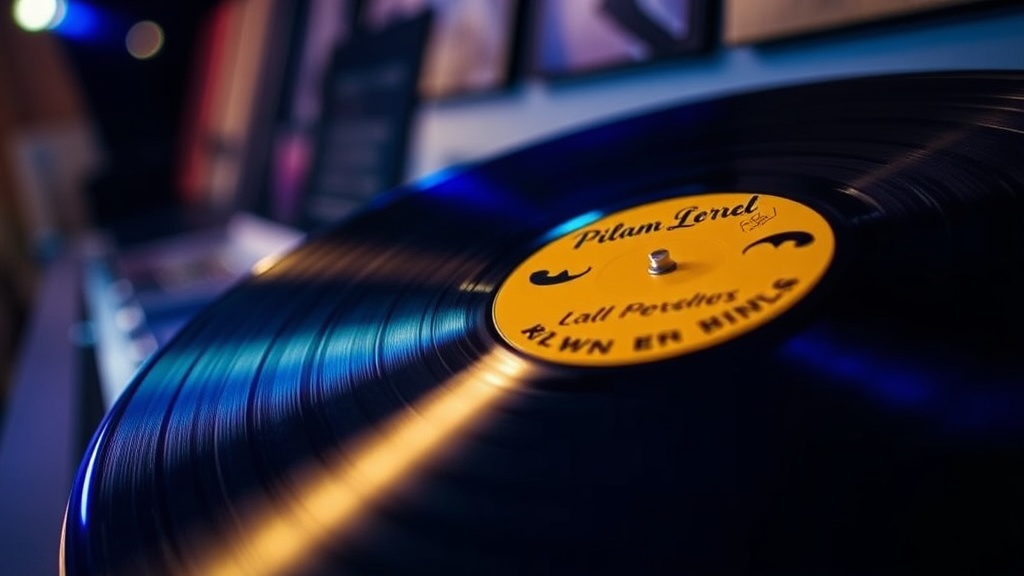
Consider The Beatles' Sgt. Pepper's Lonely Hearts Club Band. Original UK Parlophone pressings feature a black label with yellow text and the "Gramophone Co. Ltd." credit. Later pressings removed this credit after EMI reorganized. American Capitol pressings from 1967 show different label layouts entirely — the "colorband" label with rainbow stripes identifies early stereo pressings worth considerably more than 1970s reissues.
Small details separate valuable copies from common reissues:
- Address changes: Labels listing outdated addresses often indicate earlier pressings
- Logo evolution: Columbia's "walking eye" and Warner Bros.' scroll banner changed over decades
- Publisher credits: Songwriter affiliations with ASCAP, BMI, or SESAC shifted across pressings
- Manufacturing notes: "Made in USA" versus "Manufactured in USA" can signal different eras
Worth noting — some labels (like Prestige and Riverside in the jazz world) used the same catalog numbers across multiple pressings. In these cases, cover details and vinyl weight become more important indicators.
Cover Art and Packaging Clues
First pressing album covers often differ from later versions in measurable ways. Original pressings typically use heavier cardboard stock. The printing quality shows greater detail and color saturation. Lamination techniques varied too — glossy lamination dominated the 1960s while matte finishes became standard in the 1970s.
Inner sleeves tell stories. Original paper inner sleeves featuring label advertisements or anti-static poly-lined sleeves indicate care and attention that diminished with subsequent pressings. Some highly collectible releases (think original Dark Side of the Moon pressings) included posters, stickers, or inserts never reproduced in later versions.
Bar codes present another timeline marker. The Universal Product Code (UPC) wasn't standardized on albums until 1980. Any record displaying a bar code cannot be a first pressing from the 1960s or 1970s. The catch? Some 1970s albums received bar code stickers applied after manufacturing — these shouldn't disqualify otherwise authentic vintage pressings.
What Physical Characteristics Distinguish First Pressings?
Vinyl weight and composition evolved significantly across decades. Original pressings from the 1950s through mid-1970s typically used thicker, heavier vinyl — often 150-180 grams compared to the thin, flexible records produced during the 1979 oil crisis and beyond. Hold the record up to bright light. Original pressings usually appear darker and more opaque. Thin reissues often show visible light transmission.
Surface noise patterns differ too. First pressings from virgin vinyl sound quieter between tracks. Recycled vinyl (common in late 1970s budget reissues) contains impurities that create clicks and pops even on unplayed copies. That said — surface noise alone doesn't confirm authenticity. Poor storage damages even the most pristine original pressing.
| Characteristic | First Pressing (1960s-70s) | Common Reissue |
|---|---|---|
| Vinyl Weight | 130-180 grams | 90-120 grams |
| Label Texture | Matte or eggshell finish | Glossy or laminated |
| Runout Etchings | Hand-etched, irregular spacing | Machine-stamped, uniform |
| Dead Wax Depth | 1-2 inches between label and grooves | Narrow, closer to label edge |
| Cover Spine | Sharp, well-defined printing | Faded or blurry text |
| Inner Sleeve | Heavy paper or original poly-lined | Thin replacement or missing |
Country of Origin Matters
American collectors often assume domestic pressings represent the definitive version. This isn't always true. The UK pressing of The Dark Side of the Moon uses the original Alan Parsons engineering. Japanese pressings from the 1970s and 1980s frequently surpass their American counterparts in manufacturing quality. German pressings from the Pallas Group carry reputations for exceptional quiet surfaces.
That said, country-specific indicators require research. Japanese pressings include "OBI" strips — paper bands wrapped around the album cover. First pressings feature original OBI designs that differ from later reissues. UK Decca pressings use "ED1," "ED2," and "ED3" notations to identify early pressings explicitly.
What Resources Help Verify First Pressing Authenticity?
Smart collectors verify before purchasing. The Steely Dan and vinyl collecting forums contain crowdsourced knowledge spanning decades. Specialized reference books like "Goldmine Standard Catalog of American Records" provide matrix number cross-references. Mobile apps now exist that compare photographs of labels and covers against verified databases.
Dead wax photography has become standard practice. Serious sellers provide high-resolution images of matrix etchings. Serious buyers learn to read them. The investment pays dividends — literally. A misidentified first pressing purchased at garage sale prices and properly authenticated can fund entire collection expansions.
Condition impacts value regardless of pressing order. A beat-up first pressing plays worse than a pristine third pressing. Focus on finding clean copies first. Pressing pedigree matters second. The hobby rewards patience, research, and careful examination more than impulse purchases or inflated dealer prices.
Happy hunting.