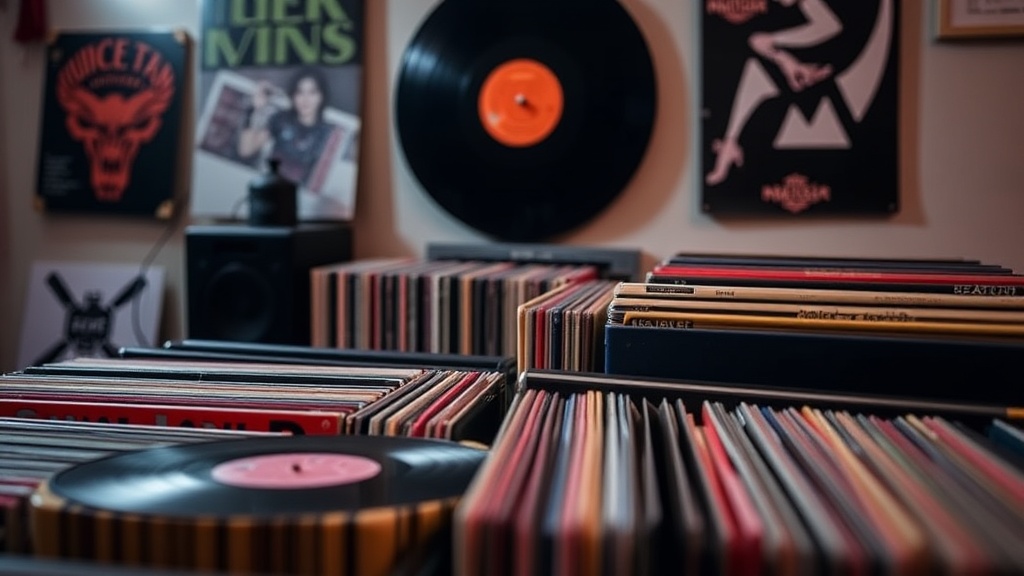
The Complete Guide to Storing and Protecting Your Vinyl Collection

This guide covers everything from inner sleeves to climate control — the practical steps that keep vinyl sounding crisp and looking sharp for decades. Whether you've got fifty records or five thousand, proper storage isn't just about organization. It's about protecting an investment, preserving sound quality, and avoiding the heartbreak of warped vinyl or sleeve damage that tank resale value.
What's the Best Way to Store Vinyl Records?
Records stay flat, cool, and vertical. That's the golden rule. Store them upright like books on a shelf — never flat and never leaning. Stacking records horizontally creates uneven pressure that leads to warping. Leaning causes ring wear on sleeves and can warp records over time.
Shelving matters more than most collectors think. Cheap particleboard sags under weight (and it does so faster than you'd expect). Invest in solid wood or metal shelving rated for the load. The Kallax shelving unit from IKEA has become something of a standard — the 13x13 inch cubes fit records perfectly, each cube holding roughly 50-60 LPs. Expedit (the predecessor) and Kallax dominate home vinyl storage for good reason.
Keep records away from exterior walls, basements, and attics. Temperature fluctuations kill vinyl. Here's the thing — heat is the enemy. Vinyl starts to deform at 140°F, but sustained temperatures above 80°F accelerate sleeve degradation and can cause subtle warping over time. Aim for room temperature (65-70°F) with stable conditions.
Humidity sits at the other end of the spectrum. Too dry and sleeves become brittle. Too humid and mold becomes a genuine threat. The sweet spot runs 40-50% relative humidity. If you live in a coastal climate (or anywhere with seasonal swings), a dehumidifier pays for itself quickly.
Do Inner Sleeves Actually Matter?
Absolutely — they're the single most cost-effective protection upgrade you can make. Original paper sleeves from the 60s and 70s often contained impurities that left paper scuffs and scratches. Modern replacement sleeves prevent this entirely.
Not all sleeves are equal. Here's what to know:
- Paper sleeves: Cheap, but that's the only advantage. They shed particles and don't prevent static buildup.
- Rice paper sleeves: The upgrade pick — soft, anti-static, and chemically inert. Mobile Fidelity Sound Lab makes industry-standard rice paper sleeves that run about $0.50 each.
- Polyethylene sleeves: Crystal clear and slick, but some collectors find them slippery to handle. Bags Unlimited offers solid polyethylene options at reasonable prices.
- Poly-lined paper: A budget compromise — paper with a poly inner lining. Better than pure paper, worse than dedicated solutions.
The catch? Don't double-sleeve unless necessary. Some collectors put rice paper sleeves inside poly outers, which works well. But stacking multiple loose sleeves creates static and handling hassle. Keep it simple.
Outer Sleeves: Yes, You Need Them
Outer sleeves protect jacket artwork from shelf wear, dust, and UV exposure. Standard 3mil polyethylene sleeves cost pennies and extend jacket life significantly. For high-value records, consider 5mil premium sleeves from suppliers like Sleeve City or VPI.
Store records with the opening facing up — this prevents dust settling into the sleeve. Some collectors prefer side-opening outers for easier access. Either works; consistency matters more than the specific style.
What's the Ideal Temperature and Environment for Vinyl Storage?
Cool, dry, and stable. Records thrive in environments humans find comfortable — roughly 65-70°F with 40-50% relative humidity. The stability matters as much as the numbers. Wide temperature swings cause vinyl to expand and contract, stressing grooves and potentially affecting playback quality.
Sunlight destroys vinyl collections. Direct UV exposure fades jacket artwork and heats records beyond safe thresholds. Never store records near windows, and if display is part of your setup, use UV-filtering glass or acrylic.
Basements present mixed blessings. They're usually cool, but humidity runs high and flooding risks exist. Ground-level storage beats basement storage unless you've got climate control and flood protection. Second floors avoid flood risks but may experience more temperature variation.
Here's a practical comparison of common storage locations:
| Location | Temperature Stability | Humidity Risk | Other Considerations |
|---|---|---|---|
| Climate-controlled room | Excellent | Low | Best option; use dehumidifier/humidifier as needed |
| Standard interior room | Good | Moderate | Avoid exterior walls; monitor with hygrometer |
| Basement | Good | High | Mold risk; invest in dehumidifier; flood insurance |
| Attic | Poor | Variable | Extreme heat in summer — avoid entirely |
| Garage | Poor | High | Temperature swings and pests; not recommended |
Worth noting: a basic digital hygrometer costs under $15 and removes guesswork. Place one near your collection and check it seasonally.
How Should You Handle and Clean Vinyl Records?
Handle records by the edges and label area only. Finger oils contain acids that damage vinyl over time and attract dust. The oils aren't immediately visible, but they compound with each touch. Make it automatic — edge and label, nothing else.
Static attracts dust like a magnet. Dry climates exacerbate this problem. Anti-static brushes (the Audio-Technica AT6012 is a proven choice) remove surface dust before and after play. Brush gently with the grooves, not against them.
Wet cleaning becomes necessary for used purchases and neglected collections. The market offers options at every price point:
- Manual cleaning kits: Spin-Clean and similar devices use fluid and brushes in a bath system. The Spin-Clean Record Washer MKII runs about $80 and handles basic cleaning well. Labor-intensive but effective.
- Vacuum record cleaners: The gold standard. Machines like the VPI HW-16.5 or Pro-Ject VC-S2 AL apply cleaning solution then vacuum it away, pulling dirt from grooves. These start around $500 but transform dirty records.
- Ultrasonic cleaners: The premium tier. Units like the Degritter or KLAudio use ultrasonic waves to agitate contaminants loose without physical contact. Expect to spend $1,000+ for quality units.
That said, ultrasonic cleaning isn't magic. It won't fix scratches or groove damage — it removes dirt, particulate, and mold release compounds from manufacturing. Results on clean-looking used records can still be dramatic.
Cleaning Solution Matters
Distilled water forms the base of any proper cleaning solution. Tap water contains minerals that leave residue. Commercial solutions from TergiKleen, The Disc Doctor, or Mobile Fidelity combine surfactants that break surface tension and lift contaminants.
Never use rubbing alcohol on shellac 78s — it dissolves the material. For standard vinyl, small amounts of isopropyl alcohol in solution are acceptable, though some collectors avoid it entirely citing potential long-term effects.
How Do You Protect Rare and Valuable Records?
High-value records deserve extra consideration. First editions, limited pressings, and signed copies warrant archival-grade storage.
Mylar (polyester) sleeves outperform polyethylene for long-term storage. They're clearer, more rigid, and chemically stable for decades. The Library of Congress uses Mylar D for preservation — that endorsement carries weight. Companies like Sleeve City and Bags Unlimited stock true Mylar (not PET) sleeves.
For truly valuable pieces, consider individual storage boxes. Bags Unlimited and VPI offer archival boxes that block light and provide structural protection. Store these flat only if the box is designed for horizontal storage with proper support.
Insurance enters the picture as collections grow. Standard homeowner's policies often limit coverage on collectibles or require riders. Document your collection — Discogs provides valuation tools, and photographic documentation supports claims. Specialized collectibles insurance from companies like Collectibles Insurance Services offers broader protection for serious collectors.
Common Storage Mistakes to Avoid
Even experienced collectors slip up. Here are the errors that cause preventable damage:
- Overpacking shelves: Records need breathing room. Crammed collections lead to ring wear, split seams, and handling damage when retrieving albums.
- Storing near heat sources: Radiators, vents, and electronics generate heat. That console stereo gets warm — don't stack records on top.
- Ignoring poly-lined inners on new purchases: Many new pressings ship with cheap paper sleeves. Upgrading to quality inners immediately prevents scuffs.
- Using PVC sleeves: Rigid PVC (not the soft poly used in modern sleeves) outgasses chemicals that create a hazy film on vinyl. Avoid vintage PVC storage solutions.
- Neglecting to clean before storage: Played records return to sleeves with dust and oils. Quick brush before shelving extends cleanliness.
The reality? Most record damage happens slowly, invisibly, through cumulative neglect. A warped record isn't the result of one hot afternoon — it's weeks of elevated temperature. Sleeve wear happens one careless pull at a time.
Orion Park has watched collectors in the Kelowna community learn these lessons the hard way. The good news: proper storage isn't complicated. It's methodical. Cool, dry, vertical, clean sleeves, careful handling. Do these basics consistently and your collection outlasts you — which, for many collectors, is exactly the point.