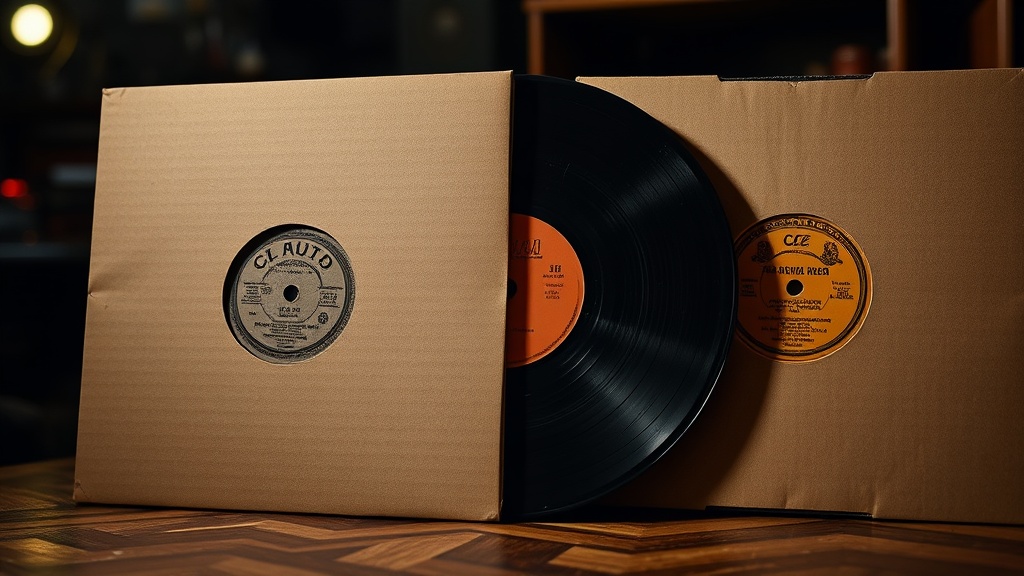
The Evolution of the Record Sleeve: From Paper to Heavyweight Cardboard

You pick up a pristine, 1967 mono pressing of a classic rock album, only to find the edges of the sleeve are frayed, bent, or "ring worn" from decades of poor storage. This isn't just a cosmetic issue; it's a direct result of the material science used during the era of production. This post examines how record sleeve construction has shifted from thin, single-layer paper and light stock to the heavy-duty, high-GSM (grams per square meter) cardboard used by modern premium labels. Understanding these materials helps you identify the quality of a reissue and teaches you how to preserve the physical integrity of your collection.
Why Do Record Sleeves Change Over Time?
Record sleeve construction changes primarily to balance production costs against the need for structural protection and visual fidelity. In the early days of the long-playing (LP) record, manufacturers focused on high-speed production using lighter materials that were cheaper to ship. As the medium matured, labels realized that the sleeve is the first line of defense for the vinyl itself. A flimsy sleeve doesn't just look bad—it fails to prevent "shelf wear" and can even lead to structural damage to the record edges.
Early 78 RPM records were often housed in heavy, rigid cardboard sleeves because the discs themselves were quite fragile. However, when the 33 1/3 RPM microgroove era took over, the industry moved toward more flexible, lighter-weight materials. This allowed for more complex art and easier "flipping" through crates in record stores. But there was a tradeoff. The lighter the paper, the easier it was for the heavy vinyl to create those dreaded "ring wear" marks where the circular shape of the record becomes visible on the front cover.
Modern high-end reissues, like those from Vinyl Me, Please, have pushed the standard back toward heavier, more rigid-grade cardboard. They've realized that collectors aren't just buying music; they're buying a physical object that needs to feel substantial. If you're holding a modern heavyweight reissue, you'll notice a distinct difference in hand-feel compared to a standard budget-tier reissue.
What Is the Difference Between Paper and Cardboard Sleeves?
The fundamental difference lies in the weight, the grain, and the structural rigidity of the material used for the outer jacket. While "paper" usually refers to the inner sleeves (the sleeves that actually touch the vinyl), "cardboard" refers to the outer jacket that displays the artwork. A high-quality collection relies on a combination of both to ensure longevity.
Let's look at the common hierarchy of materials you'll encounter when hunting for new pressings:
| Material Type | Primary Use | Durability Level | Common Issues |
|---|---|---|---|
| Standard Paper (Inner) | Direct contact with vinyl | Low | Static, scuffs, "paper scuffs" |
| Lightweight Cardstock | Standard retail jackets | Moderate | Corner dings, soft edges |
| Heavyweight Cardboard | Premium/Audiophile reissues | High | Difficult to ship without damage |
| Poly-Lined Sleeves | Inner protection | Very High | Can be too tight for some discs |
When you're browsing through a collection, pay attention to the "stiffness" of the jacket. A lightweight jacket is prone to "seam splits," where the top or bottom edge of the cardboard separates due to the weight of the record inside. This is why many collectors prefer the thicker, more rigid jackets found on audiophile-grade releases. They hold their shape much better over time, even if the record is a bit heavy.
It's worth noting that even a heavy jacket won't save a record if the inner sleeve is poor quality. Standard paper inner sleeves are notorious for creating static and even tiny scratches on the surface of the vinyl. This is why many enthusiasts swap out the factory paper sleeves for high-quality, anti-static sleeves immediately after unboxing. If you want to keep your grooves clean, the sleeve is just as important as the brush you use.
How Much Does Sleeve Quality Affect Record Value?
Sleeve quality affects record value by determining the "grading" of the item, which is the single most important factor in the secondary market. In the world of collecting, a "Near Mint" (NM) record isn't just about the vinyl; it's about the jacket. If the cardboard is crushed, even if the vinyl is flawless, the price drops significantly. This is because collectors view the sleeve as part of the complete artistic experience.
Think about the "ring wear" phenomenon. This happens when the pressure from the record inside the sleeve creates a permanent indentation on the cardboard. On a high-quality, heavy-gauge cardboard sleeve, this is much harder to happen. On a thin, budget-friendly sleeve, it's almost inevitable if the record is stored vertically for a long time. This is why certain vintage pressings are so much more expensive—the surviving examples with unblemished, sturdy jackets are incredibly rare.
Here is a breakdown of how sleeve condition affects your ability to sell:
- Mint (M): The jacket is perfect, with no signs of wear or even slight corner blunting.
- Near Mint (NM): The jacket looks almost new, perhaps with a tiny, microscopic corner crease.
- Very Good Plus (VG+): This is the "sweet spot" for many. The jacket might have light shelf wear or a tiny bit of edge wear, but it still looks great on a shelf.
- Very Good (VG): The jacket shows visible signs of use—ring wear, seam splits, or corner dings. This significantly lowers the price.
- Good/Fair: The jacket is heavily damaged. At this point, the record is often considered a "filler" copy rather than a collector's item.
If you're buying a vintage record, don't just look at the disc. Always check the corners of the cardboard. If the corners are soft or "dog-eared," the jacket has likely been subjected to moisture or poor handling. This is a major red flag for long-term storage issues. You might even want to look into managing moisture and temperature to prevent your own collection from suffering these same fates.
One thing to watch out for is "glossy" vs. "matte" finishes. Glossy coatings can look striking, but they are much more prone to "scuffing" and visible fingerprints. Matte finishes are often more durable and hide the natural wear of handling much better. If you're a collector who actually listens to their records frequently, matte is almost always the better choice for longevity.
The evolution of the sleeve is a testament to the changing way we consume music. We've moved from the era of the "disposable" paper-thin jacket to an era where the packaging is treated as a piece of art. Whether it's a heavy-duty gatefold or a specialized-lined inner sleeve, the material matters. It dictates how your record looks on the shelf, how it feels in your hands, and most importantly, how long it survives in your collection.
When you're out hunting for that elusive pressing, remember that the cardboard tells a story. It tells you how the record was treated, how it was stored, and how much care was taken during its production. A heavy, sturdy jacket is a sign of a high-quality production, but it's also a sign of a record that's built to last for decades to come.