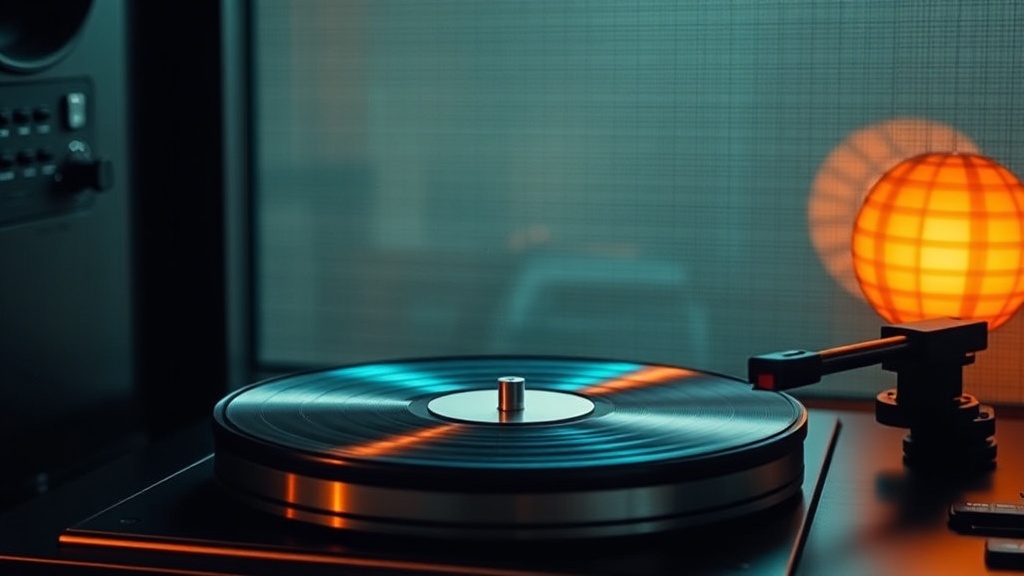
The Lost Art of Japanese Pressings: Why Audiophiles Hunt Them

Why Do Japanese Vinyl Pressings Sound Better Than Western Releases?
This post breaks down exactly what makes Japanese vinyl pressings the holy grail for serious collectors — from the superior vinyl compounds and meticulous mastering processes to the telltale signs that separate genuine Japanese pressings from counterfeits. You'll learn why albums from labels like Toshiba-EMI, Victor, and Warner-Pioneer command premium prices at record fairs and online marketplaces, and whether the sonic improvements justify the hunt (spoiler: they usually do).
Vinyl collectors have always chased rarity. Limited editions. Original mono pressings. White label promos. But there's a specific category that consistently outperforms the rest on secondary markets — Japanese pressings from the 1970s through the mid-1980s. These records aren't just collectibles. They're technical achievements that often reveal details in familiar albums that you've never heard before.
The story starts with Japan's post-war manufacturing renaissance. By the early 1970s, Japanese pressing plants had access to virgin vinyl compounds that exceeded the quality standards of many Western facilities. While American and European labels were cutting costs with recycled vinyl and thinner pressings (the infamous "oil crisis" records of the mid-70s), Japanese manufacturers maintained strict quality controls. The result? Records that play quieter, track better, and preserve high-frequency information that cheaper pressings simply smear into distortion.
What Makes Japanese Pressings Different from Regular Vinyl?
Japanese pressings differ in four key areas: the vinyl compound itself, the mastering and cutting process, quality control standards, and the packaging materials used for storage and presentation.
The vinyl compound is where the differences become immediately apparent. Japanese plants used what collectors now call "quiet vinyl" — a formulation with fewer impurities and a higher ratio of virgin material to recycled content. Pick up a Japanese pressing from 1975 alongside its American counterpart. The Japanese record feels heavier. It reflects light differently. Most importantly, it produces significantly less surface noise during quiet passages.
Here's the thing — the mastering process mattered just as much as the physical medium. Japanese engineers often received original master tapes rather than copy tapes, allowing them to cut lacquers with generation-closer fidelity. Labels like Toshiba-EMI employed cutting engineers who treated every release as a showcase piece. The famous "half-speed mastered" Japanese pressings of Pink Floyd's catalog remain reference-quality copies decades later.
The packaging tells its own story. Japanese records typically came with insert sheets called "obi" — those paper strips wrapped around the album cover that displayed pricing, catalog numbers, and track listings in Japanese. Original pressings with intact obi strips command significant premiums. But the inner sleeves were equally important. Japanese manufacturers used anti-static rice paper sleeves rather than the abrasive cardboard common in American releases. Your records stayed cleaner, longer.
The Technical Specifications That Matter
Serious collectors should understand what separates a true Japanese pressing from later reissues or counterfeit copies. Look for these indicators:
- Catalog numbering: Japanese releases use distinct prefixes — Toshiba-EMI used "EMC" and "EMI" series, Victor used "VIP" and "SHP" designations, and Warner-Pioneer used "P" and "L" prefixes followed by specific number ranges.
- Dead wax markings: The runout groove area often contains Japanese characters alongside standard matrix numbers. These hand-etched markings indicate the specific cutting engineer and pressing plant.
- Labels: Japanese pressings feature distinct label designs — Toshiba-EMI's black labels with silver text for their "Pro-Use" series, Victor's distinctive red labels for their "Super Analog" releases.
- Weight: Quality Japanese pressings typically weigh 140-180 grams — substantially heavier than the 110-120 gram pressings common from American plants during the same era.
Are Japanese Pressings Worth the Premium Price?
Yes — though with important caveats about condition, authenticity, and the specific title in question.
The market for Japanese vinyl has exploded over the past decade. What sold for $30 at record fairs in 2015 now commands $150-300 for desirable titles. The catch? Not every Japanese pressing justifies the markup. Common domestic Japanese artists — think Japanese-language pop and enka releases — remain affordable and plentiful. The premiums concentrate on Western rock, jazz, and classical titles that were imported back to Japan during the format's heyday.
Here's where collector knowledge separates the informed from the impulsive. Japanese pressings fall into distinct categories with vastly different value propositions:
| Category | Description | Typical Price Range | Collector Priority |
|---|---|---|---|
| "Pro-Use" Series (Toshiba-EMI) | Audiophile-targeted releases with superior vinyl and mastering | $100-400 | High — reference quality |
| "Super Analog" (Victor) | Direct-to-disc and all-analog mastering series | $80-250 | High — exceptional dynamics |
| Standard Domestic Pressings | Regular Japanese releases for local market | $15-50 | Medium — great value |
| Japanese-for-Export Pressings | Made in Japan for Western markets | $30-100 | Medium — quality varies |
| Later Digital-Era Pressings | Mid-80s onward, often digital masters | $10-40 | Low — verify analog sourcing |
Worth noting — the "Pro-Use" series from Toshiba-EMI represents perhaps the pinnacle of mass-market vinyl production. These records were manufactured with thicker vinyl, quieter surfaces, and often featured different masterings than their Western counterparts. Collectors still reference specific Pro-Use pressings of albums like "Dark Side of the Moon" as the definitive vinyl versions.
How Can You Spot Fake or Counterfeit Japanese Pressings?
Counterfeit Japanese pressings exist, but they're relatively uncommon compared to fake Beatles or Led Zeppelin originals — though modern reproduction obi strips have become a significant problem for online buyers.
The obi strip represents both authentication and vulnerability. These paper bands were designed to be removed (they interfere with shelf storage), so many original buyers discarded them. This created a market for reproduction obis — often indistinguishable from originals without close inspection. Here's the thing — a reproduction obi on a genuine record isn't necessarily a dealbreaker if you're buying for sound quality. But you shouldn't pay obi-premium prices for a reproduction.
Authentication requires examining multiple elements. The printing quality on Japanese obi strips features distinct characteristics — specific paper stock, particular fold patterns, and registration marks that align precisely with the cover art. Counterfeit obis often use brighter paper stocks and exhibit slightly blurred text. The spine of an original Japanese sleeve shows specific wear patterns — the paper fiber structure differs from Western pressings.
Dead wax examination provides the most reliable authentication. Japanese pressing plants used specific stamper marking conventions that are difficult to replicate convincingly. The Victor Company's "M" and "A" markings, Toshiba's distinctive matrix fonts — these details separate genuine articles from fakes. Resources like Vinyl Engine maintain databases of known authentic markings for major releases.
Where to Hunt for Authentic Japanese Pressings
The hunt itself becomes part of the appeal for many collectors. Japanese vinyl doesn't surface predictably — it requires patience, knowledge, and sometimes a willingness to buy blind from Japanese auction sites.
Domestic sources in North America include estate sales (particularly in areas with significant Japanese-American populations), high-end record fairs, and specialized dealers. In Kelowna and similar mid-sized markets, Japanese vinyl occasionally surfaces at estate liquidations — often from collections assembled during business postings to Japan in the 1970s and 80s.
Direct Japanese sources require more effort but often yield better prices. Yahoo! Auctions Japan remains the primary marketplace domestically, though you'll need a proxy bidding service. Mercari Japan and Rakuten have also become significant sources. The language barrier presents challenges — sellers may not recognize the difference between standard and premium Japanese pressings, creating opportunities for knowledgeable buyers.
"The best Japanese pressing in your collection is the one you actually play. These records weren't manufactured to sit in temperature-controlled storage — they were built to reveal music more completely than you'd thought possible."
Condition assessment requires adjusted standards. Japanese collectors traditionally prioritized maintaining original packaging over pristine vinyl — meaning you'll encounter more sleeve splits and corner wear than with Western collectibles. That said, the vinyl itself was often played on high-quality equipment and stored in those protective rice paper sleeves. A Japanese pressing with VG+ sleeves and NM vinyl often represents better long-term value than a sealed copy with structural sleeve damage.
The sonic differences aren't subtle. Put on a Japanese pressing of Steely Dan's "Aja" or Michael Jackson's "Thriller" after living with standard American copies. The noise floor drops. Transient details — the snap of a snare, the decay of a piano chord — emerge with new clarity. Whether this improvement justifies the search and expense depends entirely on your relationship with the music. Some collectors find the pursuit exhausting. Others consider it the most rewarding aspect of the hobby — the moment when a long-sought title finally appears, obi intact, waiting to reveal what you've been missing.